
People Behind the Numbers
The Fifth Voice
Larry Breitbarth
At CFO Selections®, we may work in numbers… but we’re in the business of people. Because behind every financial report is a person making hard decisions, and behind every engagement is a human-to-human connection. In this series, we’re shining a light on those stories — introducing the consultants who guide our clients forward and the leaders who bring those numbers to life.
Before the first note
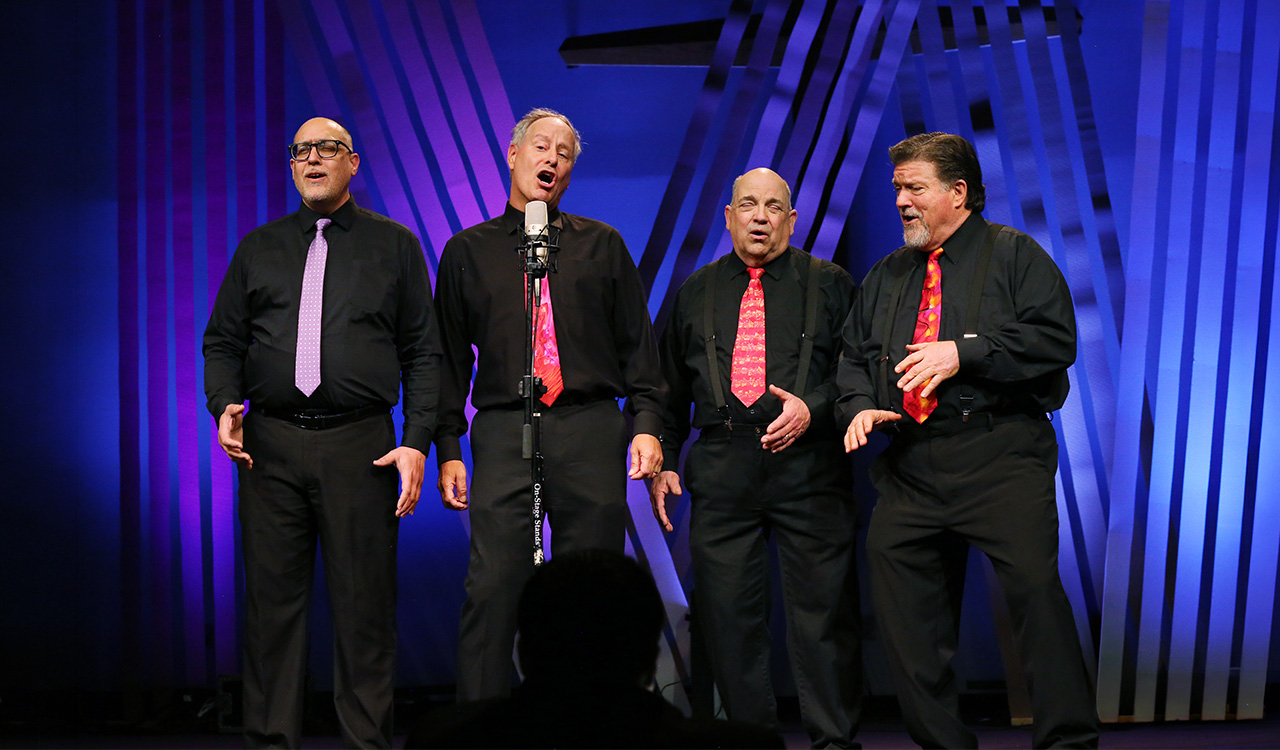
I’ll tell you the lead has the easiest job in a barbershop quartet. Sing the right notes. Remember the words.
What I don’t always start with is everything that happens before the first note.
When you’re the lead, you have to come up with a plan for the song. Who are we singing to? Is this first person, second person, third person? Is it a sad song or a happy song? What’s the story?
Someone wrote the lyrics. Someone had something in mind. But the interpretation, the emotional truth the audience will feel, is the lead’s to decide. And once you decide, the other three singers follow. The bass adjusts. The baritone and tenor bend their pitches around yours. The entire sound builds from the note you hold.
The lead figures that out and tells the other guys: here’s the story, here’s what you have to have in your mind as we’re singing this.
It changes everything. The same four voices. The same four notes. Completely different depending on the story you’re telling.
Learning to listen
I’ve been a CFO and Controller for over three decades, and I’ve been with CFO Selections® since 2011, the year before I started singing in a barbershop chorus.
I’d been a musician in high school and college. Played tuba, could read music. But the professional years had been full, and that part of me had been set aside. When a friend introduced me to the local barbershop chorus, I rediscovered it. Guys getting together, singing, sometimes going out for a beer after. I call it the moose club. It’s genuinely social, and it gave me a reason to be musical again.
The chorus is a large group. You can blend in, and a missed note disappears into the sound around you. The quartet is something else entirely. Four voices. Nowhere to hide.
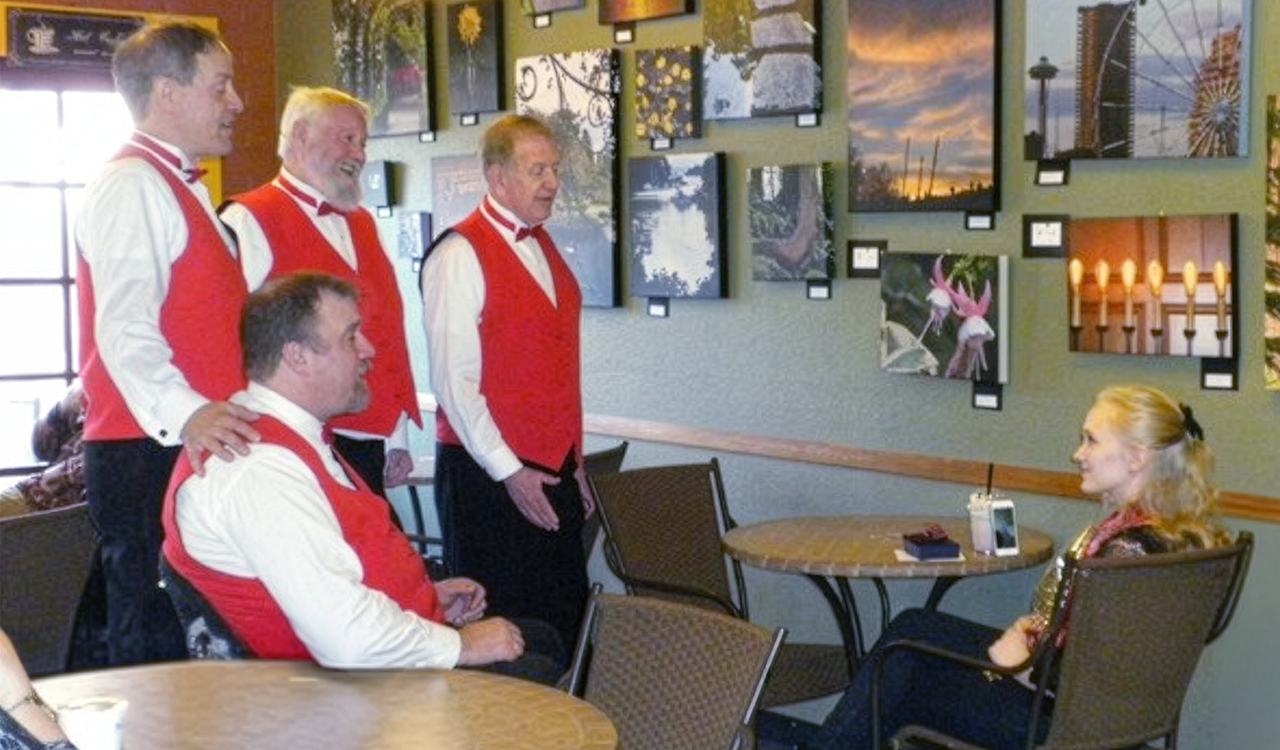
If you’re in a quartet, you’re it. There’s no leaning on somebody else. You have to know what you’re doing, otherwise you’re going to crash and burn.
When I joined the quartet, I was the youngest by a wide margin. The others had been singing barbershop for twenty, thirty years. I had ideas about how the songs should go, and I learned quickly that having ideas isn’t the same as having earned them.
I’m like Brad Pitt. Give me a great script and a great director, and I can be amazing. But asking me to come up with the story and be the director is hard, especially when you don’t have the experience.
So I held my ideas loosely. When a more experienced singer pushed back, too morose, they won’t get that, the tempo is off, I listened. I wanted to be in that quartet badly enough to not be overly insistent. Over time, I got better. The experience accumulated. That’s how expertise actually works, in a quartet and in a CFO seat. You earn the right to hold the note by first being willing to adjust it.
The note that doesn’t move
There is one thing I will not adjust.
In barbershop, there’s something called the ring. When you strike any note on an instrument, or sing one, there are notes above it that are also being produced, an octave above, a third, a fifth. It’s called the overtone series, and it’s a scientific fact. What barbershop singers are trying to do is match those overtones exactly. When the bass and lead lock in on the same pitch, the overtones align and you get this amplified, bright, almost trumpet-like sound ringing above the chord. Nobody is singing it. It just appears. We call it the fifth voice. When you hear it, you know immediately.
The joke in barbershop is that the lead is always correct. The others have to adjust to me.
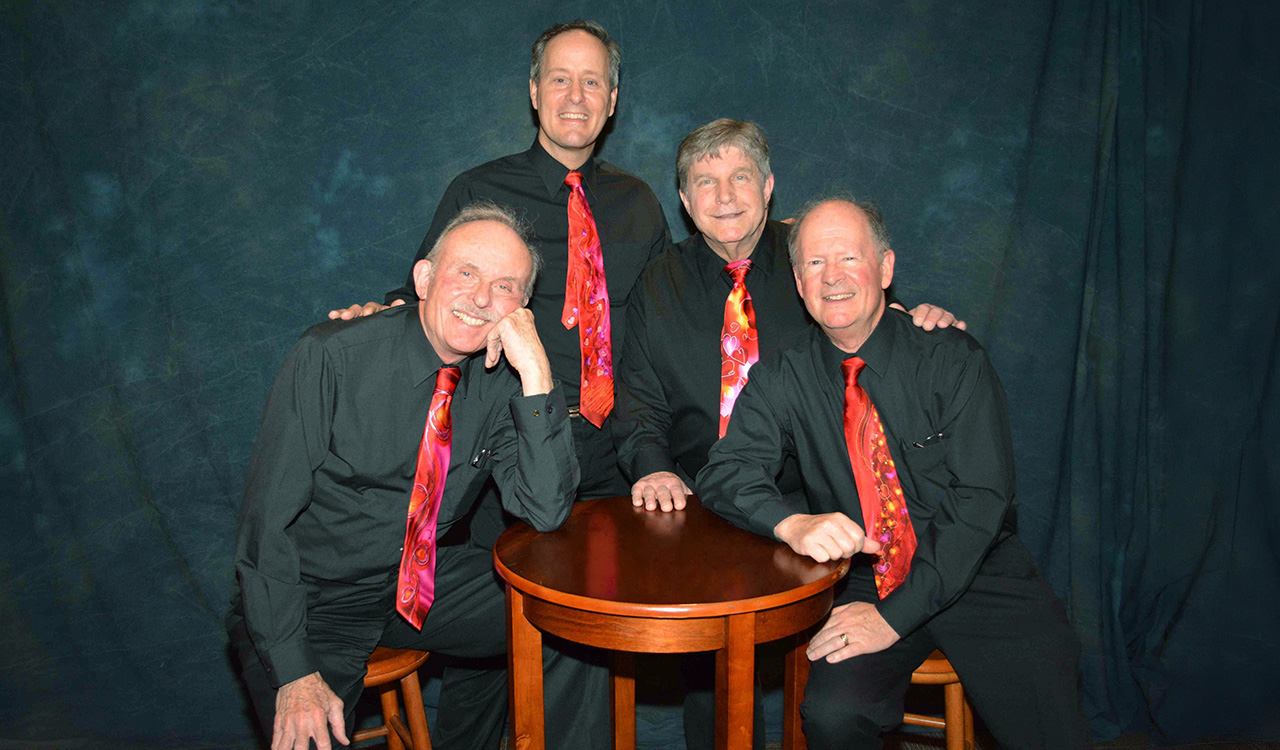
The principle is real. The ring only happens when the pitch is true. If the lead wavers, drifts toward wherever the sound around him happens to be going, the ring disappears. The whole chord loses its integrity.
CFO work puts you in complex situations. The business is under pressure, the decisions are consequential, and there are always people in the room with competing interests. What I’ve learned is that you have to know your true north before you walk in. Because once you’re in it, there isn’t time to figure out where you stand. I’m going to sing this note, and you can’t pull me off it.
That steadiness is what clients are hiring when they hire a seasoned CFO. Not just the technical skill. The pitch that doesn’t move.
I have very good pitch. They have to adjust to me.
I say that as a joke. Mostly.
Reading the room at a senior center at 2 p.m.
Here is where it gets interesting.
Holding your pitch does not mean ignoring the room. We play assisted living homes and Rotary clubs, Valentine’s Day performances and open-air competitions. The note is always true. The story I choose to tell changes with every audience.
I have a client: owners, younger than me, buying out a business partner. Fast-moving. Always pushing for results. They wanted me to push their prospective banks, negotiate rates immediately, show urgency.
My pace was not fast enough for them. They were visibly put off.
So I picked up the tempo. I still believed it was better to let the banks chase us, that desperation is visible and costly. But the conversation wasn’t landing. They needed to feel heard before they could hear me.
We had a call with one bank that was a love fest, the bank saying we love you, we want to work with you. And my clients started negotiating the rate right there on the call. Afterward I said to them: there’s a time for that, but not now. This was like a first date. You don’t open with the prenup.
I didn’t change my pitch. I changed my story. I found the frame that fit the audience in front of me.
That’s the work. Understanding who you’re singing to. Sometimes it’s a CEO. Sometimes it’s a board. Sometimes it’s a founder who’s built something over twenty years and is terrified of losing control of it. The technical note is the same. The story has to land.
What the ring actually sounds like
If you want to understand what I mean by the ring, look up “Tonight” by the Ring Masters, international champions from Sweden. Listen to how the sound opens up in the final chord. That bright, clear note hovering above the rest, almost like a trumpet. Nobody is singing it. It just appears.
That’s what you’re chasing as a barbershop singer. Four voices, precisely aligned. The lead holds true, and the others build around him, and something happens that none of them produced alone.
I hear it in this work too. The moment a client’s board stops hesitating and says yes. The moment a founder who’s been white-knuckling the finances finally exhales. The moment a set of numbers, plainly presented, unlocks a decision that had been stuck for months.
It requires the same things every time: the story told clearly, the pitch held steady, the audience understood before the first note.
You come in to help with the numbers. But you stay for the people.
The ring, when it happens, is unmistakable.