At CFO Selections, we may work in numbers… but we’re in the business of people. Because behind every financial report is a person making hard decisions, and behind every engagement is a human-to-human connection. In this series, we’re shining a light on those stories — introducing the consultants who guide our clients forward and the leaders who bring those numbers to life.
Raphael Irving was deep in a collective bargaining agreement with no easy answers. He was at a Portland-based Federally Qualified Health Center (FQHC) that was facing a budget deficit, and every decision carried weight.
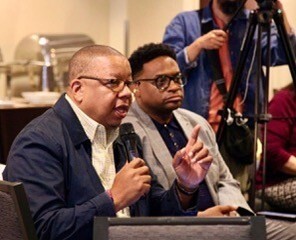 “When you’re in those rooms,” he says, “you know what you decide is going to affect other people’s lives.”
Payroll made up most of the budget. There wasn’t much room to maneuver.
“Most nonprofits are 65% to 80% payroll,” he explains. “So, when cuts happen, it’s people who feel it first.”
Some nights, the work followed him home.
“There were times I couldn’t sleep,” he says. “Because I knew if I could figure this out, it meant somebody got to stay.”
The work led to a strategic plan that allowed the organization to move forward. For Raphael, that’s always been the point.
“Money is the oil that makes the engine run,” he says. “If you understand the finances, you can keep the mission moving.”
What’s at stake
That sense of responsibility was formed early.
Raphael remembers his first experience with layoffs early in his career at Ernst & Young. Some of the people let go were Raphael’s colleagues in the Los Angeles area.
“People I was really close to were gone, through no fault of their own.”
He wasn’t part of the decision-making then. But the impact stayed with him.
“So later, when you’re higher up and you’re in the room where those decisions are being made,” he says, “you know the impact they have on people’s lives.”
At the Federally Qualified Health Center he helped lead, the stakes were just as real. The numbers alone weren’t enough.
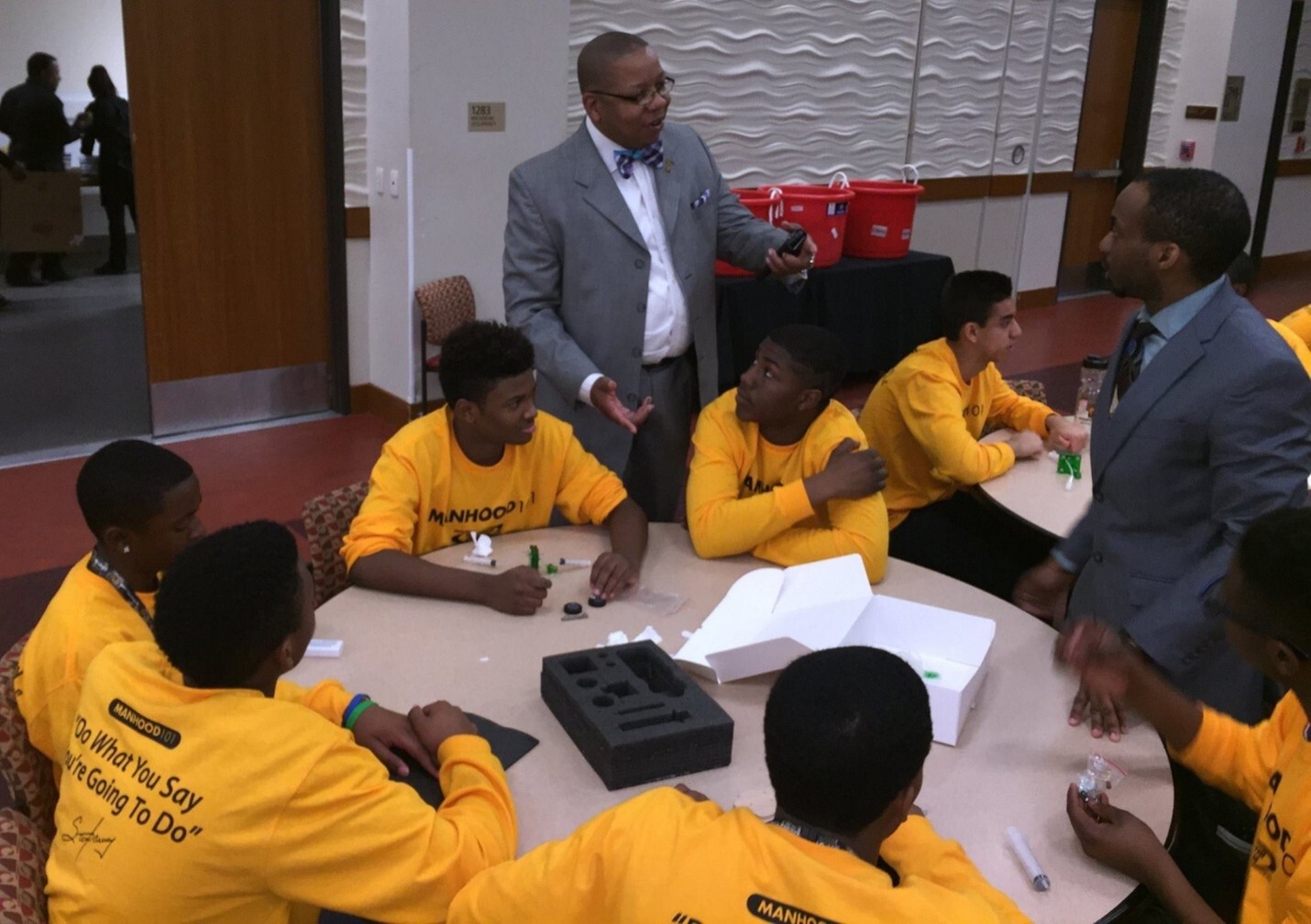
“I created a narrative alongside the reports,” he says. “It couldn’t just be numbers. They needed to understand what the numbers were saying.”
Once they did, the conversation shifted.
“It’s not about crunching numbers,” Raphael says. “I bring them to life so people can make sense of what’s really going on.”
What the work asks of him
That awareness carries into how Raphael leads.
When he’s responsible for an organization’s finances, he pays close attention to what the work is asking of people.
“I encourage everyone to speak up if they don’t know something or need help,” he says. “It removes a lot of the stress.”
“I make people feel comfortable by genuinely listening before giving my input.”
That instinct was shaped long before he had the title.
“I talked to a lot of CFOs and CEOs,” Raphael says. “I would sit around and listen to them. And I learned from listening to others, before I had to experience it myself.”
The work that found him
Raphael never set out to become a CFO.
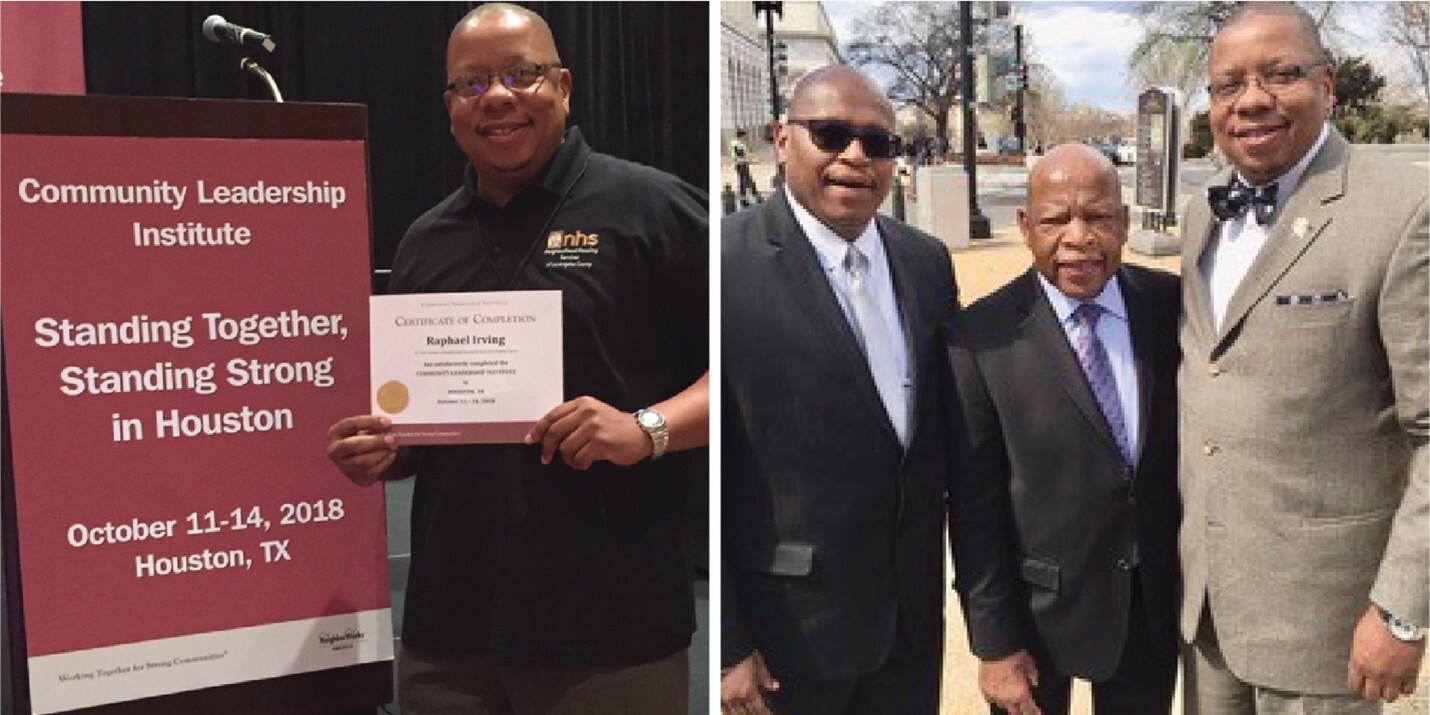
“It chose me,” he says. “I was active in the community as a volunteer, and I kept getting pulled into leadership roles.”

As a teenager, he led his basketball team, marching band, and church youth group. The pattern followed him into adulthood, as a real estate broker, police chaplain, and eventually a finance leader.
By the time he carried the title, he’d already been doing the work.
“I never really said, ‘I want to work in nonprofits,’” he explains. “I kind of fell into it.”
Volunteer work led to board roles. Board roles led to deeper involvement. Over time, the throughline became clear.
“All of my clients are community-based organizations,” he says. “So there’s something in the community. And it’s exciting for me to be on this side of the table, being a contributing factor to the mission.”
Where it comes together
Joining CFO Selections was the next step, though Raphael didn’t know this kind of work existed until it crossed his path.
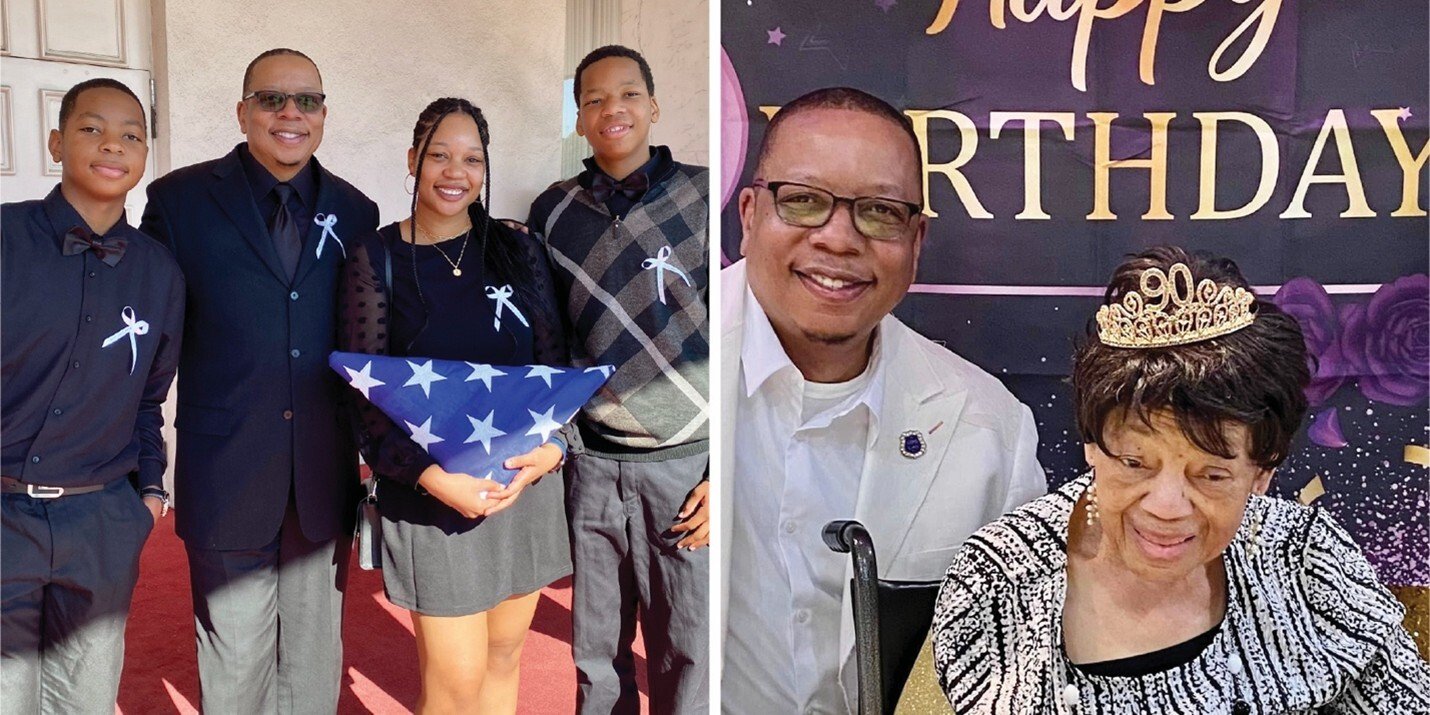
“I can do what I do best,” he says, “and still be a present father, which is a win-win.”
“Even if I’m fractional, I’m 100% CFO,” he adds. “There’s no one else in the room they’re looking to for financial advice, so you have to wear the hat fully.”
Paths that shaped him
There are other threads that shaped how Raphael learned to carry the work.
His grandmother taught accounting at his high school. Wanting to forge his own path, he avoided her class and signed up for engineering instead. When the course was canceled, accounting became his only option.
That instinct to figure things out on his own stayed with him through his early career. But over time, the work put him in rooms where that wasn’t enough, where he needed to navigate conflict, build consensus, and sit with people through difficult decisions.
The path wasn’t linear. Conflict resolution training. Mediation work. Years as a police chaplain. Roles that required him to listen and sit with people in moments of tension and grief.
“Conflict resolution applies to every area of life,” he says. “It helps you focus on the problem, not the people, and solve the problem.”
“Now, when I walk into a room,” Raphael says, “I understand life too.”
For Raphael Irving, finance has always been about people. The numbers matter because people do.
“The better job I do,” he says, “the more people can stay. And that’s something I think about every day.”